
Why Airless Tires Work Well in All Weather Conditions
Nov 13th 2026
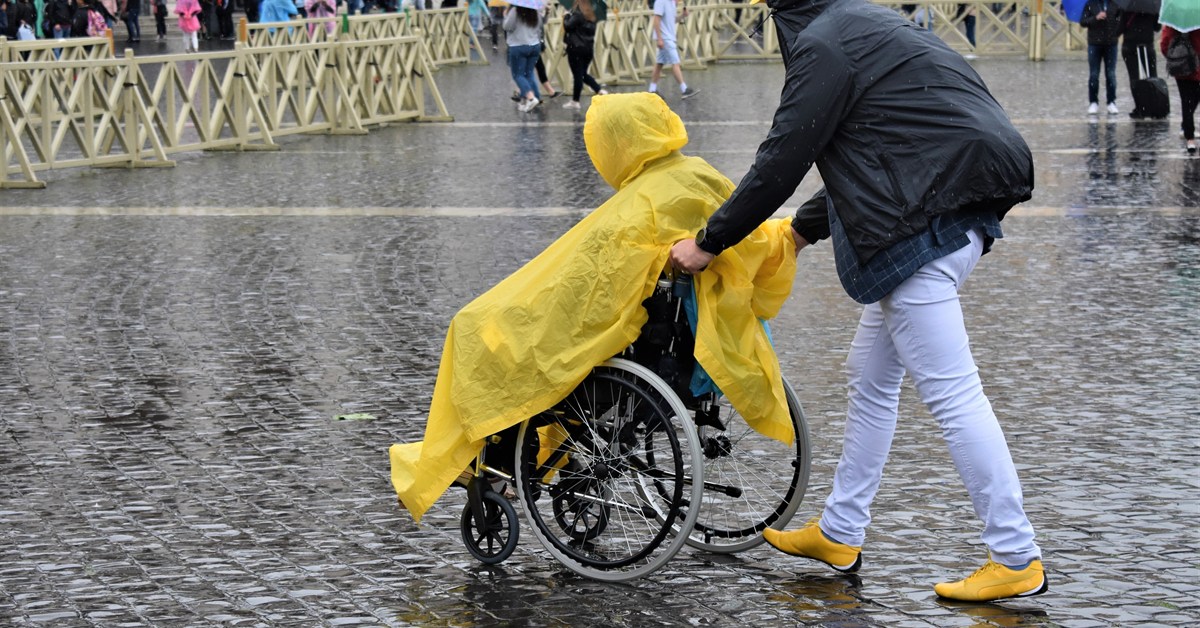
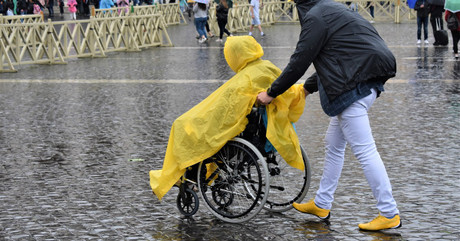
Weather changes quickly, but wheelchair users still need dependable mobility for work, errands, and everyday activities. Elements like rain and extreme heat can affect wheelchair wheels in all weather.
Airless tires simplify one important part of seasonal preparation by removing the need to manage tire pressure. Because of this design, airless tires work well in all weather conditions and help active users spend less time dealing with flats.
Reliable Performance During Rainy Weather
Wet pavement can challenge traction, especially near painted crossings, smooth ramps, and fallen leaves. Airless tires maintain their shape without pressure changes, helping users avoid the uneven rolling that underinflated pneumatic tires can cause.
Tread pattern and rubber compound still determine how well each tire grips wet surfaces. Slow, controlled movement remains essential whenever rain makes the ground slippery.
Fewer Tire Concerns in Cold Conditions
Cold temperatures can lower the pressure inside air-filled tires, which may affect rolling resistance and handling. Airless designs eliminate that pressure-related concern and remove the need for regular inflation. They also avoid flats from punctures during winter travel. However, snow and ice still reduce traction, so users should assess conditions before heading outside.
Consistent Support Through Summer Heat
Hot sidewalks and long outdoor trips put wheelchair components through demanding conditions. Solid wheelchair tires do not require pressure adjustments as temperatures rise or fall throughout the day.
Their sturdy construction also removes the risk of a conventional puncture flat during an outing. Material quality matters, though, because prolonged heat and sunlight can gradually wear tire surfaces.
Practical Advantages Across Everyday Surfaces
Changing weather often means changing ground conditions, even along a familiar route. Airless tires offer several everyday benefits that support dependable mobility:
- No routine air-pressure checks before leaving home
- No puncture-related flats from small sharp debris
- Consistent tire shape across normal temperature changes
Tire width, tread, and material still influence comfort and maneuverability. Rough pavement can transmit more vibration through some airless designs than through pneumatic tires. Choosing the right model helps balance durability with the ride quality each user prefers.
Simple Maintenance Still Makes a Difference
Airless does not mean maintenance-free. Inspect tires regularly for worn tread, cracks, embedded debris, or uneven wear.
Check that wheels rotate smoothly and that nearby components remain secure. After traveling through rain, mud, or road salt, clean the tires according to the manufacturer's guidance to help protect their condition.
Stay Ready With DME Hub
With airless tires that work well in all conditions, wheelchair users can maintain reliable mobility for everyday demands. DME Hub supports wheelchair maintenance and seasonal preparation with parts and equipment options for active users.
Browse DME Hub's website to compare tire choices and other replacement components. The right fit can help keep daily routines moving through changing weather.